A personal reflection on caring, mental health and finding strength through uncertainty.
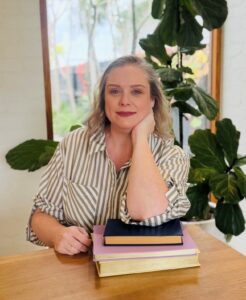
For a long time, Sarah did not think of herself as a carer.
“I thought I was simply being a mother,” she says. “Showing up. Holding things together. Asking questions. Staying strong. Carrying fear quietly so there was room for hope.”
It was not until her teenage son experienced a significant mental health crisis that she began to understand that caring is both a role and a reality that can reshape every part of a person’s life.
Sarah’s caring journey began after her son attempted to take his own life.
“Nothing prepares you for a moment like that,” she says. “It changes the air in your home, the rhythm of your days, and the way you move through the world.”
From that point on, life became a series of phone calls, appointments, assessments, sleepless nights, safety plans, waiting rooms and constant vigilance.
“Beyond the practical responsibilities was the emotional labour of trying to hold someone you love through pain you cannot fix.”
As she supported her son through his mental health challenges, Sarah found herself taking on many roles at once.
“I became advocate, protector, organiser, emotional anchor, note-taker, and often the one trying to make sense of systems that felt overwhelming and difficult to navigate.”
One of the things Sarah wishes more people understood is that caring for someone with mental ill-health can involve carrying a burden that others rarely see.
“People might see a parent attending appointments or ‘coping’, but they don’t always see the exhaustion, the hypervigilance, the second-guessing, the grief, or the quiet panic that can sit just beneath the surface of everyday life.”
At times, she felt as though she was living in two worlds at once.
“The visible one, where I still had to work, parent, respond to emails and carry on with ordinary life, and the invisible one, where I was holding fear, uncertainty and heartbreak in almost every waking moment.”
Like many carers, Sarah's attention became focused on getting through each day.
“My focus was on survival. His, and in many ways, my own.”
In the process, her own needs slipped into the background.
“I stopped asking how I was, because there rarely felt like there was space for the answer.”
Alongside the heartbreak, caring taught Sarah lessons that continue to stay with her.
“It taught me about endurance, not the polished kind, but the quiet kind that looks like getting up and doing the next thing when your heart is breaking.”
She also discovered how powerful love can be in the smallest moments.
“It taught me how fiercely love can show up in ordinary acts: sitting beside someone in silence, making another phone call, asking another question, advocating one more time, refusing to give up on the possibility of tomorrow.”
One of the greatest lessons was that strength does not always look like certainty.
“Sometimes it looks like staying present when everything in you wants to run from the pain.”
During some of her most difficult days, writing became a lifeline.
“Writing became one of the ways I survived.”
What began as journalling gradually evolved into her memoir, So, Who Are You Anyway?
“Writing the memoir became a way of making sense of what our family had lived through, the heartbreak, the questions, the identity shifts, the grief, and the quiet resilience that can exist alongside all of it.”
The memoir gave Sarah an opportunity to honour both her son’s experience and her own.
“It gave me a way to honour not only my son’s story, but also my own experience as a mother and carer navigating a world I never expected to inhabit.”
Writing also helped her reconnect with herself after years of carrying fear and responsibility.
“It reminded me that while caring had changed me, it did not erase me. My voice still mattered.”
Today, Sarah shares her experience to help others better understand the realities of caring and the impact it can have on those providing support.
“If there is one thing I wish people understood about carers, it is this: caring is often invisible, but it is never small.”
She believes carers deserve greater recognition for the challenges they navigate every day.
“Carers carry so much that goes unseen, and they deserve not only recognition, but genuine support, compassion and care for themselves too.”
While Sarah would never have chosen the circumstances that led her to become a carer, her experience has shaped the way she sees the world and what it means to stand beside someone in their darkest moments.
Through sharing her experience and her memoir, So, Who Are You Anyway?, Sarah hopes other carers feel seen, understood and less alone.
As she puts it, behind the word carer is often “a person doing everything they can to hold love and fear in the same pair of hands.”
Sarah’s memoir, So, Who Are You Anyway?, explores her family’s experience of navigating mental health challenges, caring and resilience. If her story resonates with you, you can find out more or purchase a copy here.